Los pedidos se entregan normalmente a México en un plazo de 1 a 5 días, según la ubicación.
El envío gratuito a México se aplica a pedidos de USD 100 o más. Los gastos de envío serán de USD 30 para todos los pedidos inferiores a USD 100.
Flete prepago de UPS, FedEx o DHL: CPT (aranceles, aduanas e impuestos adeudados en el momento de la entrega)
Cuenta de crédito para instituciones y empresas calificadas
Pago por adelantado a través de transferencia bancaria
![]()
![]()
![]()
![]()
![]()


Más productos de socios totalmente autorizados
Tiempo promedio de envío de 1 a 3 días , se pueden aplicar cargos adicionales por envío. Consulte la página de productos, el carrito y el pago para estimar la velocidad del envío actual.
Incoterms: CPT (impuestos, tarifas aduaneras e IVA/impuestos aplicables pagaderos en el momento de la entrega)

Para obtener más información, visite Ayuda y soporte
This guide demonstrates how to add a custom object detection machine learning model to the XRP robot.
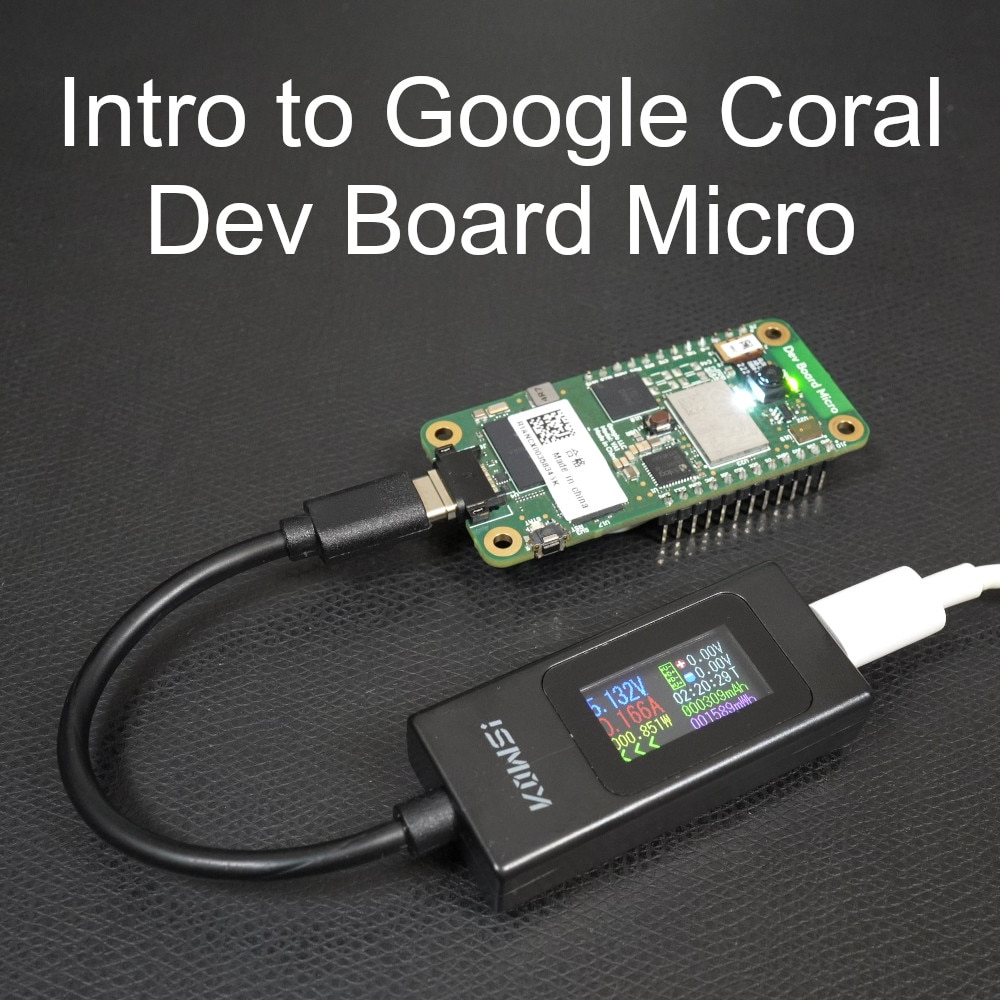
This tutorial demonstrates how to train and deploy a custom object detection model for the Google Coral Dev Board Micro.
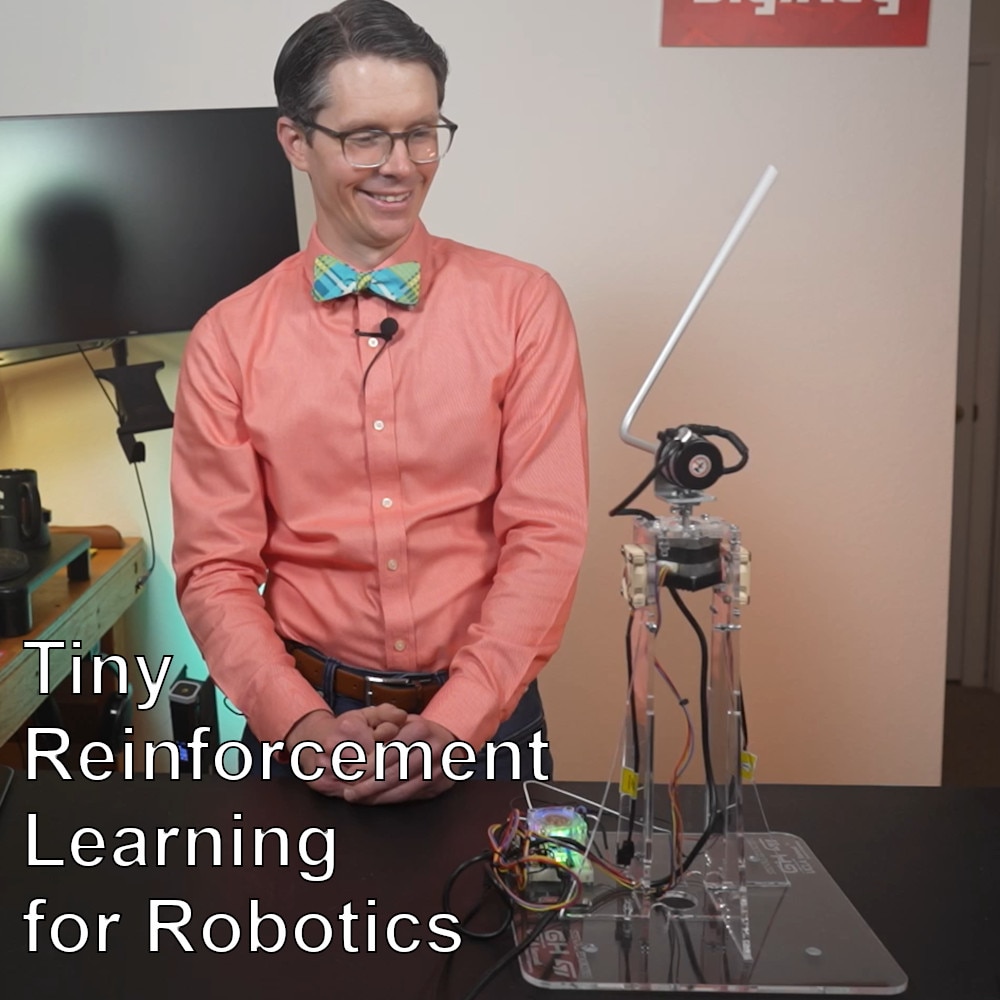
This project demonstrates using reinforcement learning to solve the swing-up problem on an inverted pendulum
This tutorial demonstrates hyperparameter tuning using Meta's Ax framework for a common reinforcement learning problem
In this tutorial, we demonstrate how to manually tune a PID controller.
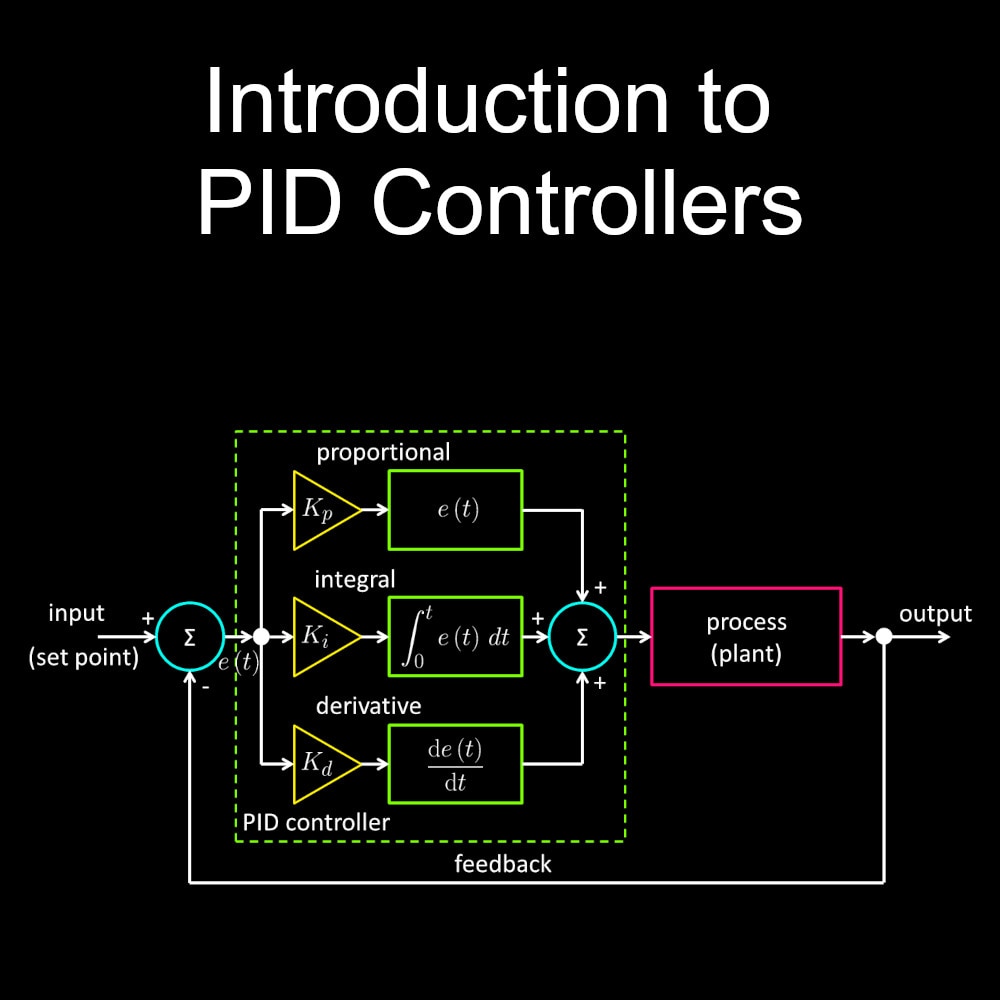
In this post, we cover the basic theory behind PID controllers. PID stands for “Proportional, Integral, Derivative," and they are commonly used in industrial settings to control various processes.
Digit's AI-powered brain enables local real-time voice conversations using Hopper Chat and Llama 3. Learn how to set it up with NVIDIA Jetson Orin Nano.
In this tutorial, we'll create a very simple button-controlled blinking LED program using Embassy's async functions and task spawning, demonstrating how async/await syntax allows you to write concurrent code that appears sequential while the executor efficiently switches between tasks.
In this tutorial, we’ll explore how to use the Raspberry Pi Debug Probe to perform step-through debugging in Rust.
In this tutorial, we'll explore how to configure and handle timer interrupts on the Raspberry Pi Pico 2, creating a blinking LED program where the processor spends most of its time sleeping while hardware interrupts handle all the timing.
In this tutorial, we'll explore how to apply TDD principles to embedded Rust by writing unit tests for our TMP102 driver library.
In this tutorial, we’ll discuss the concept of lifetimes and demonstrate a few ways in which you can help the compiler (and borrow checker) understand your intentions with references by using lifetime annotations.
In this tutorial, we'll learn how to create a reusable library (crate) in Rust by extracting our TMP102 sensor code into a separate package that can be shared across multiple projects.
Conavegar
Al usar la función de Conavegación, acuerda que un representante de soporte de DigiKey pueda ver su navegador de forma remota. Cuando se abre la ventana de Conavegación, informe al representante la Id. de sesión que se encuentra en la barra de herramientas.
DigiKey respeta su derecho a la privacidad. Para obtener más información, consulte el Aviso de privacidad y el Aviso de cookies.
Sí, continuar a la Conavegación¡Gracias!
¡Esté atento a las noticias y actualizaciones de DigiKey que llegarán a su bandeja de entrada!
Ingrese una dirección de correo electrónico
Acepte marcando la casilla